


This practice is fantastic! I have felt so seen, heard and cared for here - and I've had amazing results from accupuncture with Dr. Shanna. I can't recommend Mainestream Health highly enough!

Your chiropractor
Dr. Will Bartlett
Owner, Chiropractor (DC)
Born and raised in Gray-New Gloucester, Dr. Will studied under several renowned Gonstead Chiropractors and is one of approximately 200 Gonstead-trained practitioners in the country.
Dr. Will Bartlett →What we treat
Conditions
Spinal
Disc InjuriesNeuropathiesRadicular SymptomsSciatica→Nerve PainArthritisHeadaches→Vertebral Compression Fractures
Extremity
Ankle SprainsTMJKnee InjuriesCarpal TunnelHip & Groin PainShoulder InjuriesElbow Pain
Specializing in complex spine injuries, the Gonstead method utilizes a specific and detail-oriented exam process to find the root cause of your problem. Because the Gonstead system is so rigorous — there are roughly 500 Gonstead practitioners in the world — it gives us the expertise to help anyone from the elderly to infants, and everyone in between.
The five pillars
The Gonstead Exam Process
01
Visualization
Observation of gait, posture, shoulder height, and skin changes for early signs of dysfunction.
02
Instrumentation
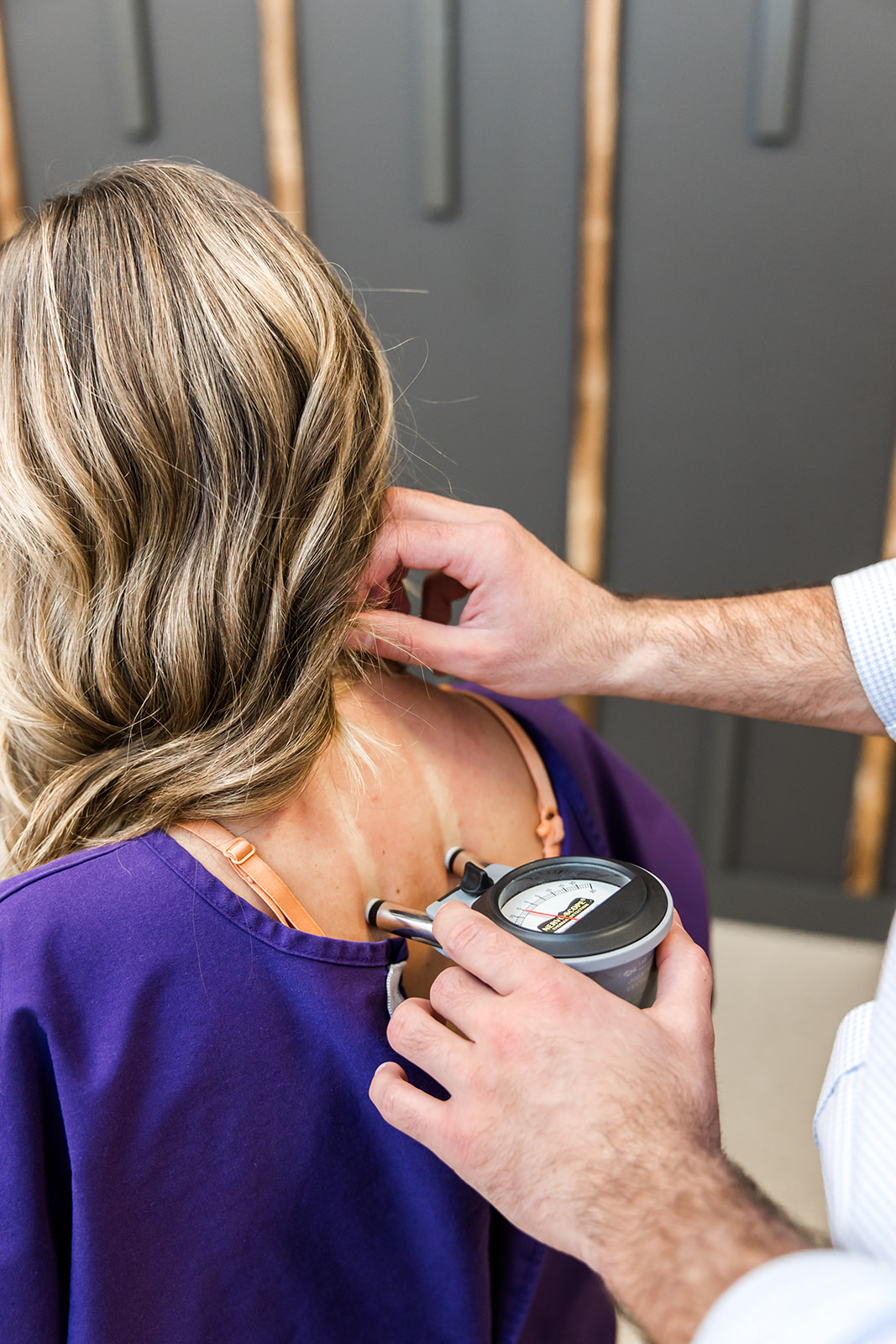
Nervoscope / Delta-T temperature comparison along the spine to identify nerve irritation.
03
Palpation
Static and motion palpation in a weight-bearing position — finding the true segment of dysfunction.
04
X-ray Analysis
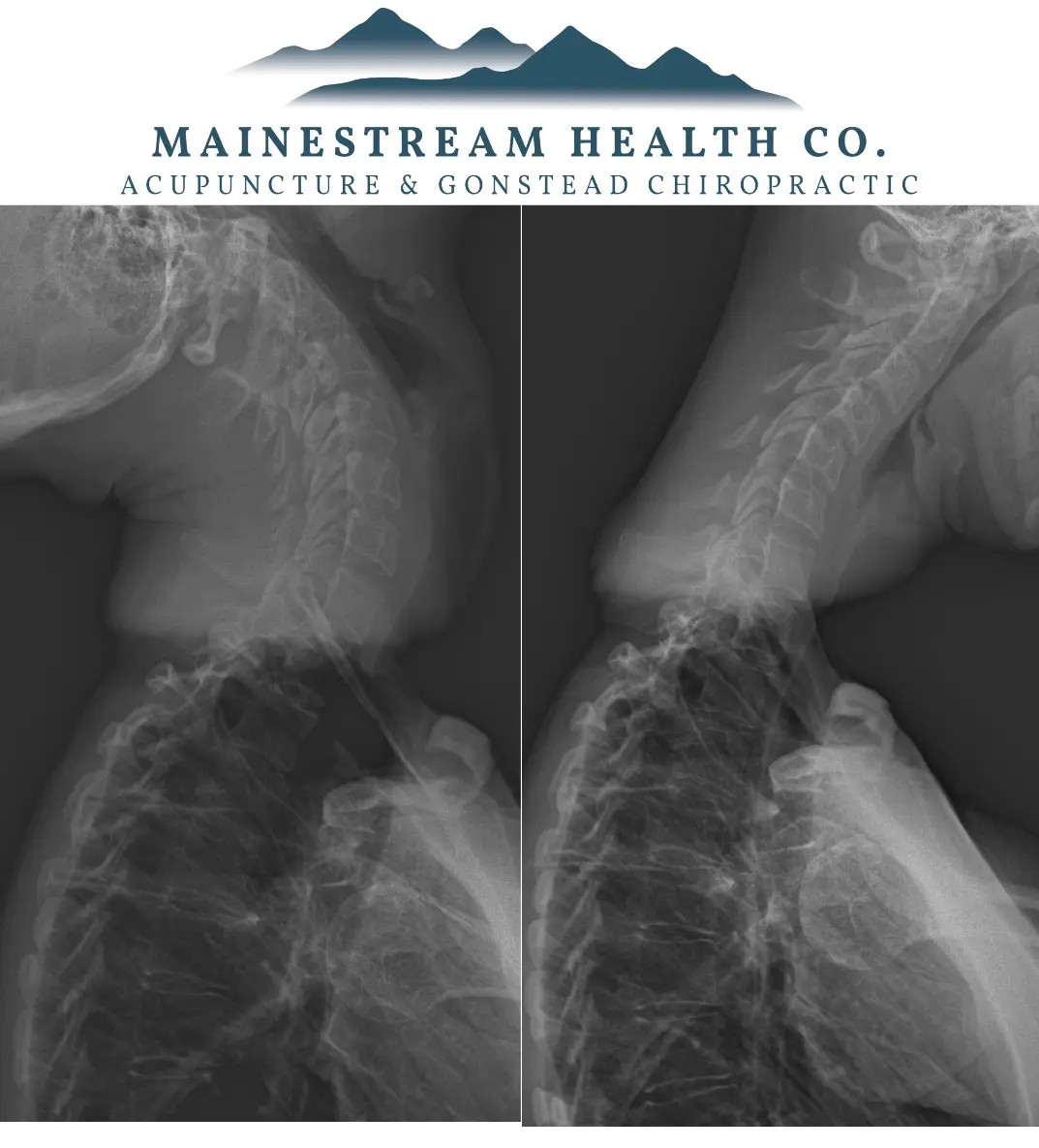
Spinal x-rays to assess severity, duration, and complexity. We don't guess — we measure.
05
Case Management
A full exam every visit. No assumptions, no template adjustments.
Interactive Module
The Anatomy of Spinal Degeneration
Five Gonstead-recognized phases of spinal breakdown — and the specific adjustments that restore them.
X-RayNervoscopeStatic PalpationMotion PalpationVisualization
Phase 1 — Normal
A healthy, well-aligned spine with full disc height and clear nerve pathways. The goal is to keep it that way.
Clinical Findings
All five Gonstead criteria agree: symmetric nervoscope readings, no tenderness or swelling on palpation, full segmental motion, and clean X-ray alignment.
Gonstead Approach
- What we see:
- Nothing that needs correcting — the exam checks out across visualization, instrumentation, palpation, and x-rays.
- What we do:
- Periodic wellness checks. No adjustment is given unless a subluxation actually shows up.
- What to expect:
- Maintain how you feel and move, and catch small problems before they become big ones.
Available in our store
Patient stories
What our patients are saying
Real reviews from real Mainestream patients.