October 9, 2026 · 7 min
The Way Healthcare Should Be: Structure, Regulation, Optimization
← All articles
Every clinic has a philosophy page. Most of them say the same four things: patient-centered, whole-person, root-cause, personalized. The words have been used so heavily they've stopped carrying information.
So instead of adjectives, here's the actual architecture of how we practice, and the reasoning behind each decision. Agree or disagree — at least you'll know what you're walking into.
The problem we built this to solve
Mainers are noticing a shift away from direct patient care.
You feel it in the appointment that's booked eleven weeks out and lasts seven minutes. In the specialist who never receives the other specialist's notes. In being handed a prescription for the symptom without anyone asking why the symptom exists. In having six providers and no one who knows your whole story.
None of that is because the people working in that system are bad at their jobs. Most of them are excellent and exhausted. It's because the system they work inside is optimized for throughput and billing codes, and direct patient care is what gets squeezed when those are the constraints.
We built a different model — a comprehensive, grassroots one that puts patients first and delivers more under one roof. We call it the "Mainestream" model, which is partly a pun on our name and partly the actual point: an alternative to the mainstream that's built here, for the people who live here.
Structure, Regulation, Optimization
This is the core of it, and it's a sequence, not a list.
Structure
The spine and the joints. Are you aligned? Do things move the way they're supposed to? Is your nervous system's protective housing doing its job?
This is where Gonstead chiropractic lives, and it's first for a reason. A body in structural pain is a body that isn't sleeping, isn't training, is running elevated stress hormones, and is compensating in ways that generate new problems. Trying to interpret someone's fatigue or hormone panel while they're in mechanical pain is like trying to tune an engine that's on fire.
Regulation
The nervous system. Is it in a defensive posture or a restorative one? Are you digesting, sleeping, and recovering?
This is where acupuncture and Chinese medicine work. An enormous share of what comes through our door is a nervous system that's been braced for years — showing up as digestive symptoms, insomnia, tension headaches, jaw clenching, anxiety, and pain that doesn't match imaging. You cannot supplement your way out of dysregulation.
Optimization
Hormones, metabolism, longevity. This is functional medicine, hormone therapy, peptide therapy, and comprehensive lab testing.
It's last on purpose. Not least important — last. When the body is aligned and regulated, advanced care becomes clearer, more effective, and more sustainable. Labs drawn on a patient in chronic pain, sleeping five hours, and running a maxed-out stress axis will show you the chaos, not the cause. Fix the upstream conditions and the same labs suddenly mean something.
We sequence. We don't stack.
Here's the single most consequential thing we do differently, and it's worth stating in its own section.
Most patients don't have one problem — they have six, and the six are talking to each other.
The intuitive response is to start six interventions. That's what most integrative clinics do, and it's why patients end up on fourteen products, feeling marginally different, with nobody able to say which one is responsible for anything. If something helped, you don't know which. If something caused a problem, you don't know which. You've purchased expensive noise.
We ask three questions instead:
- Which of these is driving the others? Systems are connected asymmetrically. Four of the six are usually downstream of one or two.
- Which of these is time-sensitive? Some findings can wait a quarter. Some cannot, and some need a referral out.
- Which will resolve on its own once we fix the primary problem? This question saves patients the most money.
Then we do one or two things, well, and check. That's the order of operations.
Everything under one roof — and why that isn't just convenience
Under this roof: Gonstead chiropractic, acupuncture and Chinese medicine, functional medicine, hormone therapy, peptide therapy, comprehensive lab testing, prenatal and pediatric care, and sports and extremity injury care.
The convenience is nice. The clinical value is bigger.
A single-service clinic's toolkit shapes its answers. A hormone clinic's answer is hormones. A supplement dispensary's answer is supplements. A weight-loss storefront's answer is the drug it sells. That's not dishonesty — it's just what happens when you only own a hammer.
Because we own several, we can tell a patient that their first move is fixing a cervical problem and getting eight hours of sleep before we touch their thyroid. We're not turning away business by saying that. We're just putting it in the right order. And because Dr. Bartlett, Dr. Hudgin, and Paige Farris are looking at the same patient and the same labs, findings from one discipline actually reach the others.
Why we don't take insurance
This is the decision people ask about most, so here's the honest reasoning.
We are not in network with any insurance provider. Insurance companies dictate a treatment course, or will often only cover certain conditions — and in a practice built on sequencing care to the individual, that's not a small compromise. It's a direct conflict with how we've decided to practice.
The tradeoff is real and we won't pretend otherwise: you pay at the time of service, and for some people that's a barrier. What you get in exchange is a 60-minute new patient exam instead of seven minutes, a full re-examination every visit rather than a template, and a plan built around your case rather than around what's reimbursable.
We accept HSA and FSA funds and cards, and we can provide a superbill if you want to submit for out-of-network reimbursement yourself.
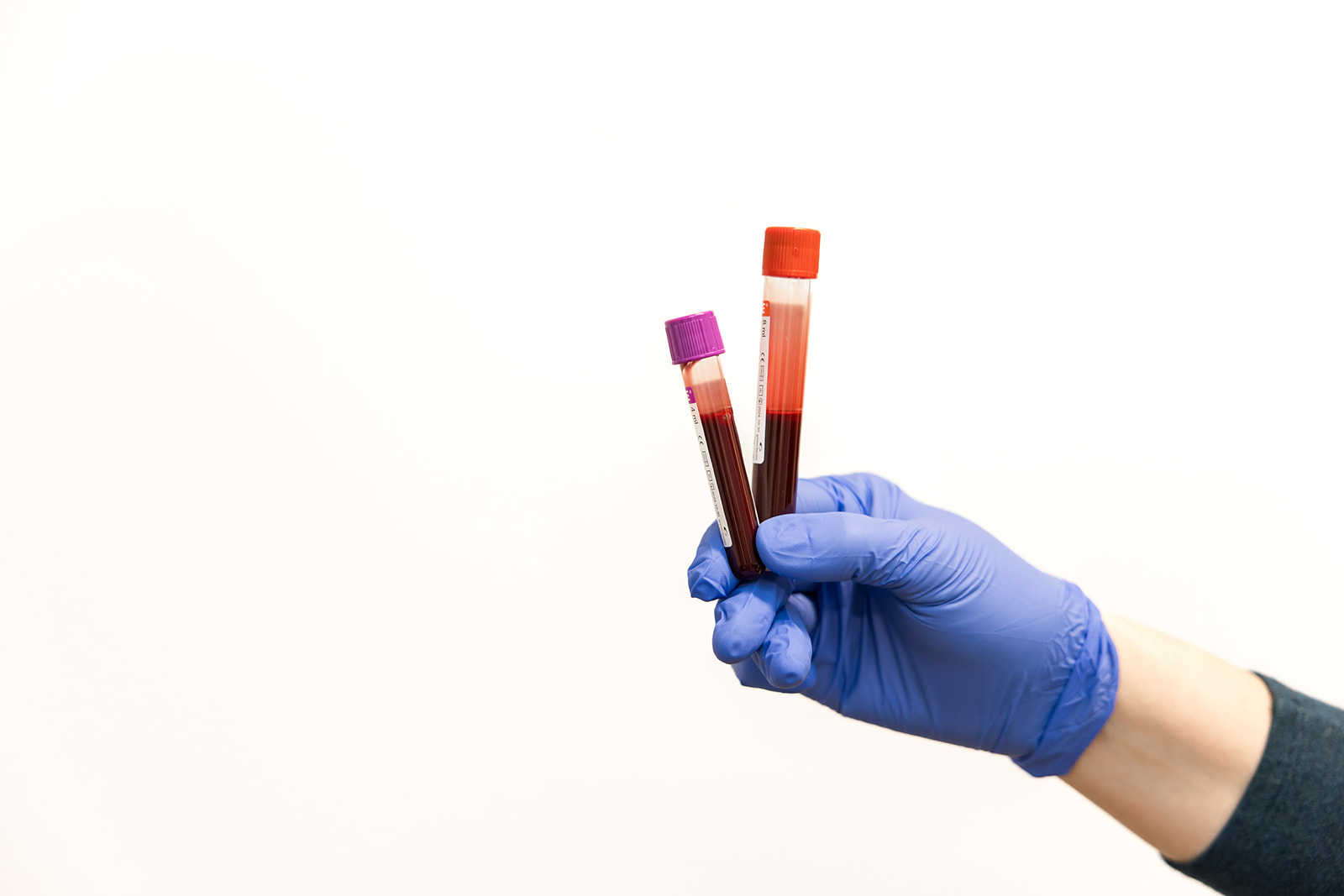
On labs specifically, the cash model is often cheaper than people expect, and it lets us order what your case actually calls for rather than what a payer will approve. We customize every lab order to the patient — for an establishing patient it generally lands between $150 and $250 — and lab work is part of your care rather than a standalone purchase. Current details are on our lab testing page.
Foundations before interventions
Every plan we build starts with eating, sleeping, and moving well.
This is the least marketable paragraph on our entire website. Nobody's first choice is to hear that the answer involves protein, resistance training, a consistent bedtime, and sunlight. But peptides, hormones, and supplements layered on top of broken foundations produce disappointing results and expensive confusion, and we'd rather tell you that in the first visit than in the sixth.
What we're honest about
- We don't know everything, and some of what's marketed in this space has thinner evidence than the marketing implies. We'll tell you which category your situation is in.
- Some problems are outside our scope, and the right answer is a referral. We'd rather send you to the right door than keep you in ours.
- Root causes that took a decade to develop don't unwind in three weeks.
- We're a business, and we have obvious incentives. The check on that is a model where we're paid for clinical care rather than product volume, and where telling you to stop is a normal thing to say.
Frequently asked questions
What does 'Structure, Regulation, Optimization' mean?
It is a sequence, not a list. Structure is the spine and joints — Gonstead chiropractic. Regulation is the nervous system — acupuncture and Chinese medicine. Optimization is hormones, metabolism, and longevity — functional medicine, hormone therapy, peptide therapy, and lab testing. Optimization is last on purpose: when the body is aligned and regulated, advanced care becomes clearer, more effective, and more sustainable.
Why doesn't Mainestream Health Co. take insurance?
Insurance companies dictate a treatment course, or will often only cover certain conditions. In a practice built on sequencing care to the individual, that is a direct conflict with how we have decided to practice. The tradeoff is real: you pay at the time of service. What you get is a 60-minute new patient exam rather than seven minutes, a full re-examination every visit, and a plan built around your case. We accept HSA and FSA and can provide a superbill for out-of-network reimbursement.
What services are offered under one roof?
Gonstead chiropractic, acupuncture and Chinese medicine, functional medicine, hormone therapy, peptide therapy, comprehensive lab testing, prenatal and pediatric care, and sports and extremity injury care — all at 15 Main Street, Unit 106, Gray, Maine.
Who are the providers?
Dr. Will Bartlett, a Gonstead-trained chiropractor and the clinic's owner; Dr. Shanna Hudgin, a licensed acupuncturist and co-owner; and Paige Farris, FNP-BC, a family nurse practitioner covering functional medicine, hormone therapy, and peptide therapy.
What areas does the clinic serve?
Gray and New Gloucester, greater Portland, and southern Maine generally.
Come see whether this fits
If you're tired of being managed instead of treated, of collecting specialists who've never spoken to each other, or of being told your labs are normal while you plainly don't feel normal — that's the conversation we're built for.
Call 207-317-6770 or book online. 15 Main Street, Unit 106, Gray, ME 04039. Serving Gray, New Gloucester, greater Portland, and southern Maine.
This article is for general educational purposes and is not medical advice. All care requires individual evaluation by a qualified provider; individual results vary. Fees and lab panel pricing are current as of publication and subject to change.